


The Invisible Heroes of Digital Printing: The Role of Pre-Treatment and Post-Treatment Chemicals
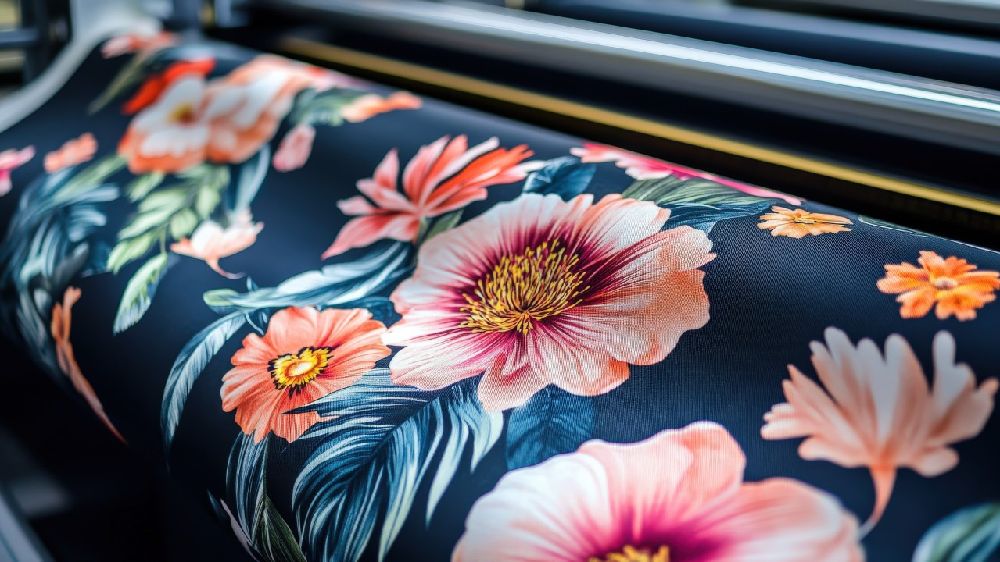
In digital textile printing, the vibrancy of colors, durability of the print, and the final handfeel of the fabric are shaped not only by ink and machinery, but also by the “invisible heroes” of the process: pre-treatment and post-treatment chemicals. These chemicals optimize the interaction between dyes and fabric fibers, elevating print quality to its full potential.
Pre-treatment chemicals ensure better adhesion of the dye to the fabric surface, promote even spreading, and enhance color yield. In reactive printing, they create the right environment for the dye to chemically bond with the fibers. In pigment printing, they create a physical “base” on which the dye adheres to the fabric. As a result, prints become sharper, more vibrant, and richer in color.
Post-treatment chemicals and processes ensure the long-term durability of the print. In reactive printing, steaming helps the dyes fully bind to the fibers, followed by washing processes that remove excess dye and chemicals, preserving the softness of the fabric and providing high wash fastness. In pigment printing, thermal fixation (condensation) reinforces the permanence of the dye on the fabric.
In summary, pre-treatment and post-treatment chemicals are essential elements that make digital printing flawless not only in terms of aesthetics, but also in terms of durability, fastness, and production efficiency. Without them, the true potential of digital textile printing could not be fully realized.
A Pre-Treatment Revolution in Reactive Digital Printing: TUBIJET SHARP R 105 TR for Ease and Quality
In the textile industry, digital reactive printing stands out for delivering vibrant colors and high fastness on natural fibers. However, pre-treatment and the subsequent washing stage are among the most critical steps, significantly influencing production efficiency and costs. At this point, TUBIJET SHARP R 105 TR , developed by CHT Turkey Kimya, draws attention with innovative features that transform reactive digital printing processes.
Easy Washing – Fast Transition to Wet Finishing
In traditional reactive printing, removing residual dyes and chemicals from the fabric after printing requires a time-consuming and costly washing process. This delays the transition to wet finishing and negatively affects the overall production flow.
Thanks to the special polymer structure in TUBIJET SHARP R 105 TR , washing after printing becomes significantly easier. This is achieved by leaving fewer residues on the fabric and ensuring more efficient dye fixation. As a result:
- Shorter washing times: the time required to fully clean the fabric is reduced.
- Lower water and energy consumption: shorter washing cycles help save water and energy.
- Faster transition to wet finishing: after washing, the fabric can quickly move to the wet finishing line, significantly reducing total process time.
TUBIJET SHARP R 105 TR offers a significant increase in efficiency and a clear cost advantage, especially for large-scale textile manufacturers.
An Innovative Solution to Dusting Problems
In reactive digital printing pre-treatment recipes, traditional chemicals such as soda ash, bicarbonate, ludigol and urea are commonly used. While these substances create the chemical environment required for the dye to react with fabric fibers, they can also cause dusting during the printing process. This dusting can lead to buildup, nozzle blockages and reduced print quality – especially in high-speed machines such as single-pass printers. It may also negatively impact air quality in the working environment.
TUBIJET SHARP R 105 TR offers an innovative solution to this issue. Thanks to the unique structure of its special polymer content, it effectively prevents dusting caused by chemicals such as soda ash, bicarbonate, ludigol and urea during printing. As a result:
- Improved printer performance – reduced nozzle blockages mean less maintenance and longer machine uptime.
- Stable print quality – dust-related defects are minimized, ensuring consistent and high-quality prints.
- Safer working environment – preventing airborne particles supports operator health and safety.
- Fewer production interruptions – less downtime due to dusting allows for smoother, continuous production.
The Heroes of Pigment Digital Printing: TUBIJET COLOR P16 and TUBIJET FAST P12
One of the most versatile methods in digital textile printing, pigment digital printing offers flexibility for applications on natural, synthetic and blended fibers. This flexibility comes with expectations for color fastness, vibrancy and soft handfeel. At this point, the right pre-treatment and post-treatment chemicals play a critical role in determining the final print quality.
CHT Turkey Kimya’s textile auxiliaries TUBIJET COLOR P16 and TUBIJET FAST P12 have been specially developed to meet the demanding requirements of pigment digital printing.
The Key to Pre-Treatment: Color Yield and Soft Handfeel with TUBIJET COLOR P16
In pigment digital printing, dyes are not chemically bonded to the fibers; instead, they adhere physically with the help of cationic-based chemicals. It is essential that this adhesion is strong and durable while still preserving the natural feel of the fabric.
TUBIJET COLOR P16 is a pre-treatment product specially formulated for pigment digital printing and offers innovative solutions for this application. With the use of TUBIJET COLOR P16 :
- Improved fastness properties: its unique polymer structure enables pigment dyes to adhere more strongly to fabric fibers, significantly improving wash and rub fastness.
- Increased color yield: it creates an optimized surface that allows pigments to spread evenly and in a controlled manner, delivering deeper, more vivid colors and sharper design details.
- Soft handfeel: the stiff or “rough” touch often associated with conventional pigment prints is minimized, preserving the fabric’s natural softness – even on printed areas.
The Role of Post-Treatment: Enhanced Fastness and Handfeel with TUBIJET FAST P12
The performance of the print is “sealed” during the post-treatment stage of the pigment digital printing process. TUBIJET FAST P12 is a special post-treatment product that steps in at this point, providing additional reinforcement for wash and rub fastness.
- Increased wash and rub fastness: it strengthens the adhesion of pigments to fabric fibers, improving resistance to washing and everyday friction and helping maintain color intensity.
- Softens the handfeel: it prevents post-print stiffening and even provides a mild softening effect, keeping the fabric comfortable and appealing.
Excellent Pigment Printing with an Integrated Approach
When used together, TUBIJET SHARP R 105 TR , TUBIJET COLOR P16 and TUBIJET FAST P12 reveal the full potential of reactive and pigment digital printing processes, delivering both outstanding visual results and high functional performance.
We would be pleased to support you in your reactive and pigment digital printing processes. Please contact us to try our pre- and post-treatment products.
Let’s Optimize Your Process Together
If you would like to improve washing time, reduce dusting and nozzle blockages, or enhance handfeel in your reactive or pigment digital printing line, CHT Turkey Kimya can work with you to review and optimize your process.
- For reactive digital printing pre-treatment optimization, you can request a trial recipe with TUBIJET SHARP R 105 TR .
- For pigment digital printing, you can evaluate TUBIJET COLOR P16 in pre-treatment and TUBIJET FAST P12 in post-treatment to strengthen fastness and handfeel.
To plan a trial tailored to your process, simply get in touch with our sales team.
We would be pleased to support you in your reactive and pigment digital printing processes. To try our pre- and post-treatment products, please contact us .
Kind regards,
Hakan Karabulut
Manager of Product Group Printing
Would You Like to Use This Content as a Reference?
If you create technical content on digital textile printing, pre- and post-treatment chemicals, or reactive vs. pigment printing, you can quote the following topics from this article for your own audience:
- The impact of pre- and post-treatment on digital print quality,
- Chemical requirements in reactive and pigment digital printing processes,
- Solutions to process issues such as dusting, nozzle blockages and long washing times.
When referring to the underlying technology, you can link directly to the following product pages:
- For reactive digital printing pre-treatment: TUBIJET SHARP R 105 TR
- For pigment digital printing pre-treatment: TUBIJET COLOR P16
- For pigment printing post-treatment and fastness improvement: TUBIJET FAST P12
This way, your readers can better understand the chemical backbone of digital printing processes and directly reach the related product pages whenever needed.